
Fear of Intimacy After Trauma: Why Closeness Can Feel Unsafe and How to Heal
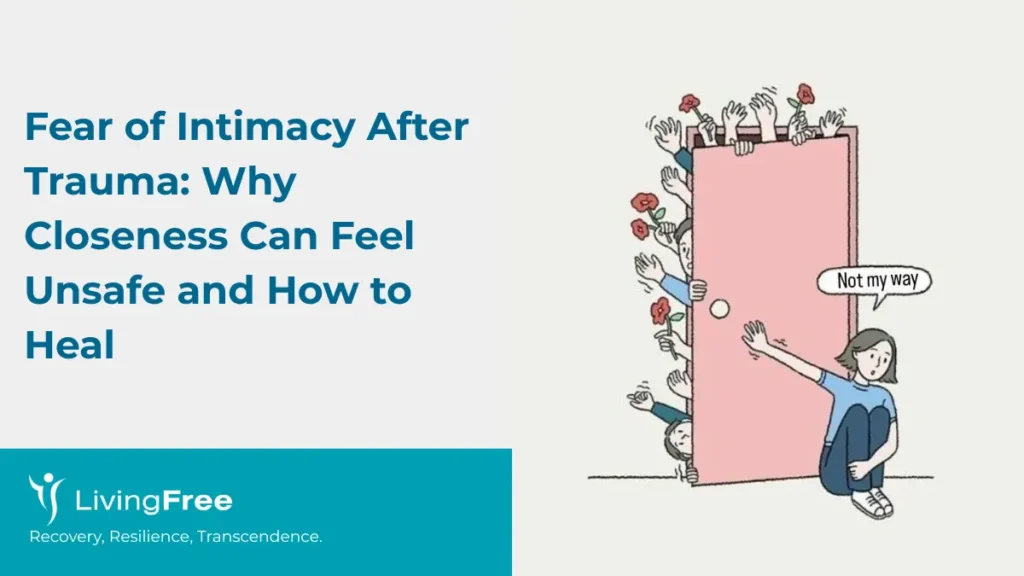
Wanting to be close to someone and feeling terrified of that same closeness can exist in the same body at the same moment. This is one of the more confusing experiences for trauma survivors. You may long for a partner who understands you, and still find yourself pulling away the second things start to feel […]
Why Trauma Makes Receiving Love Feel Uncomfortable?
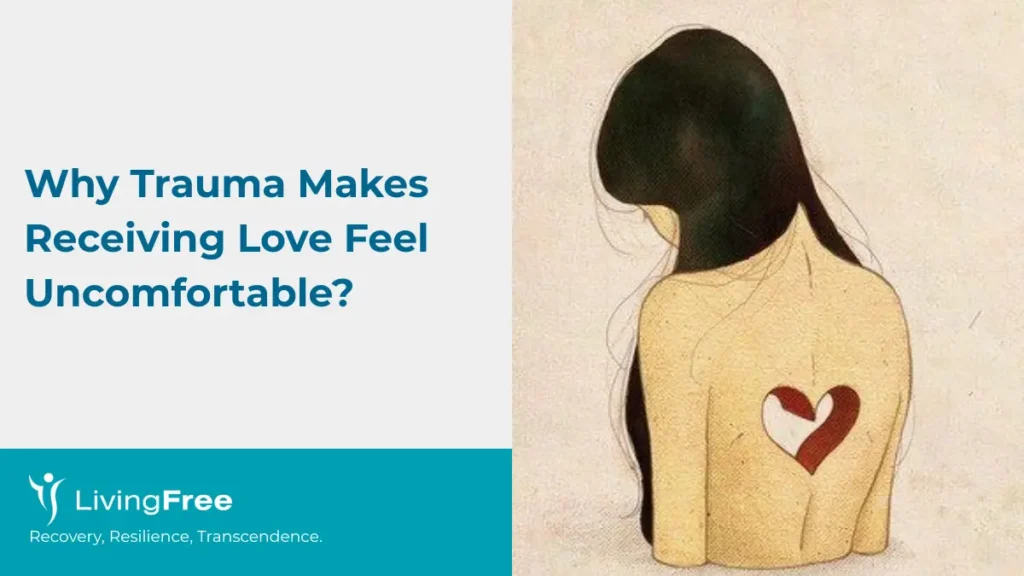
Love is supposed to feel like relief. For someone carrying unresolved trauma, it can feel like the opposite. A partner’s kind words land strangely. A hug lasts a second too long and something inside quietly recoils. Compliments get deflected, affection gets questioned, and the very thing a person has been longing for starts to feel […]
Why You Cry Easily After Trauma (Or Can’t Cry at All)
Some people find that after a traumatic experience, the smallest thing sets off tears. A commercial, a stranger’s kindness, a minor inconvenience, and suddenly they are crying in a way that feels completely out of proportion. Others have the opposite experience. They sit through funerals, breakups, and diagnoses with dry eyes, wondering what is wrong […]
Why Trauma Survivors Often Feel Emotionally Stuck?
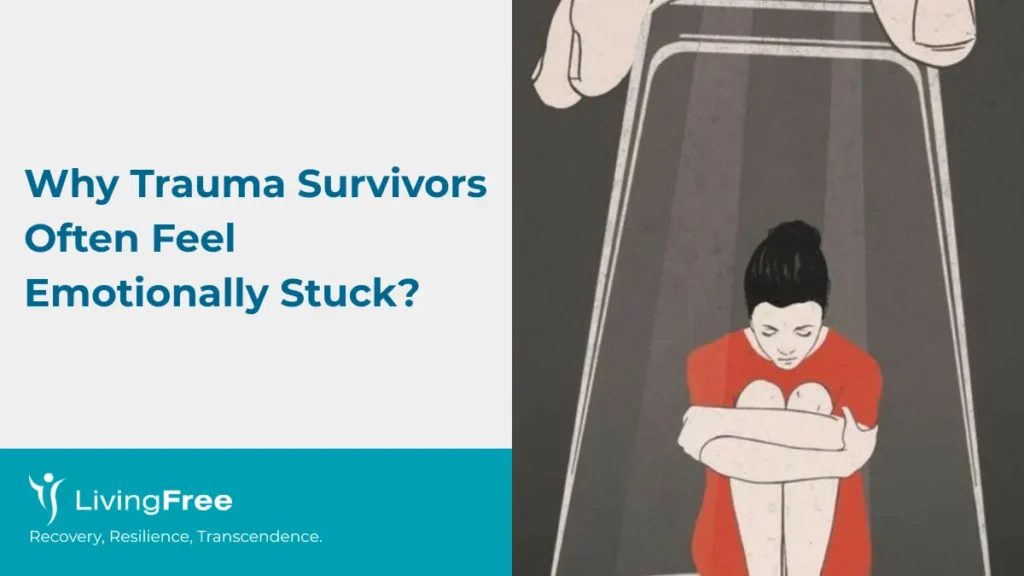
If you have ever felt like your life is moving forward while some part of you stayed behind, you are not imagining it. Many trauma survivors describe a strange sense of being frozen in time, as though the calendar keeps turning but their inner world never quite caught up. This feeling of being emotionally stuck […]
Why Small Problems Can Feel Like Major Crises After Trauma
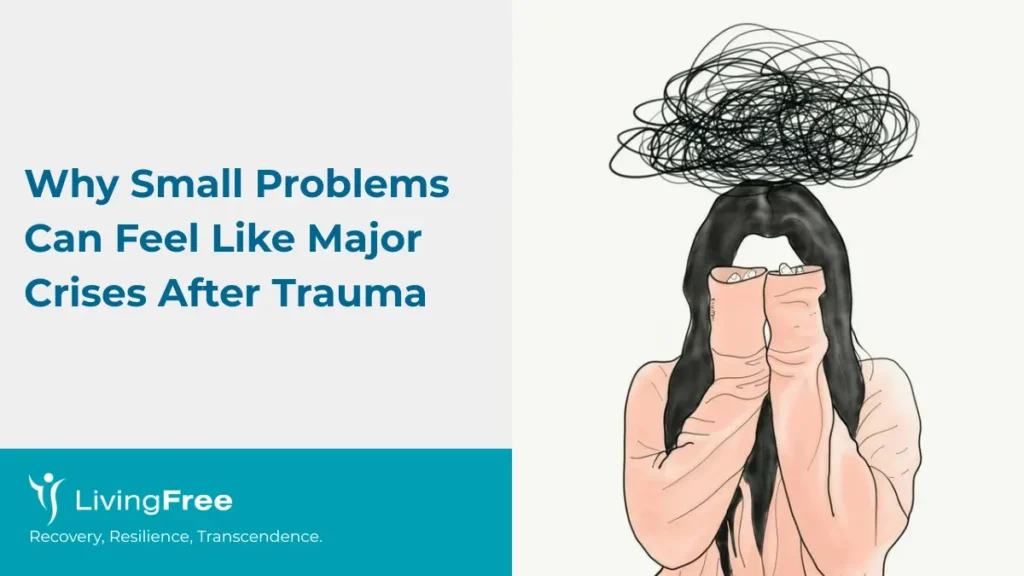
A missed text message. A form that needs filling out. A minor disagreement with a partner. For most people, these moments pass without much notice. For someone carrying unresolved trauma, the same small events can trigger a wave of panic, dread, or shutdown that feels wildly out of proportion to what actually happened. If you […]
Why Trauma Makes It Hard to Concentrate
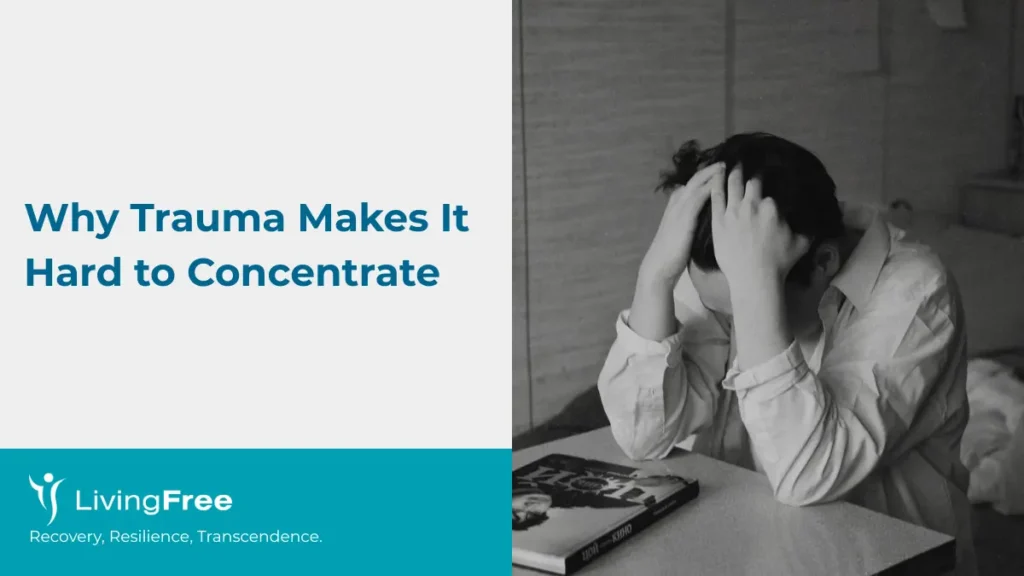
Sitting down to answer an email, follow a conversation, or finish a simple task can suddenly feel impossible. You reread the same sentence three times. You walk into a room and forget why. You lose the thread of what someone just said, even though you were trying hard to listen. If this sounds familiar, you […]
Can Trauma Affect Memory Even Years Later?
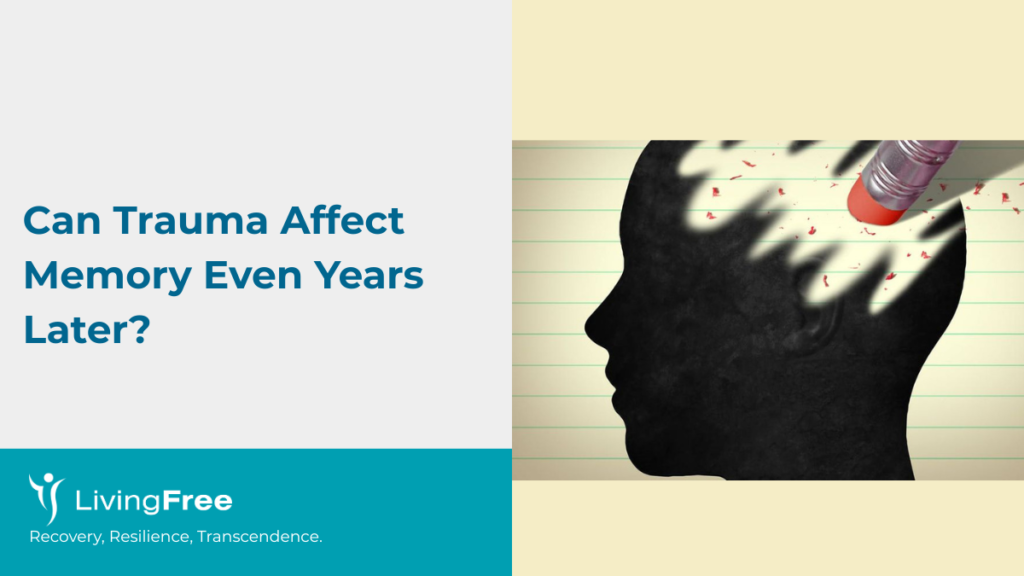
Yes, trauma can affect memory even years or decades after the event itself has passed. This is not a rare glitch or a sign of a “broken” mind. It is a well documented pattern rooted in how the brain encodes, stores, and later retrieves emotionally overwhelming experiences. A person can go years functioning normally, only […]
Signs You’re Finally Starting to Feel Safe: From Survival Mode to Healing
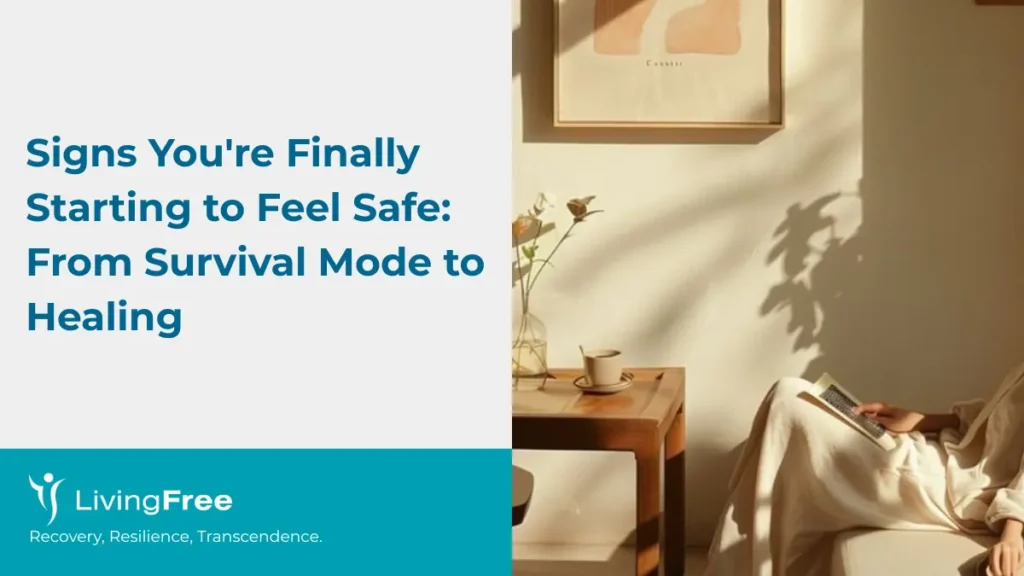
There’s a moment in healing that doesn’t announce itself loudly. It doesn’t arrive with a dramatic breakthrough or a single life-changing conversation. Instead, it shows up quietly – in the way you take a deeper breath without thinking about it, in the pause you take before reacting to something that would’ve sent you spiraling before, […]
The 5 Stages of Healing Trauma: A Complete Guide to Recovery
Trauma is not just something that happens to you. It is something that happens inside you, reshaping how your brain processes threat, how your body carries stress, and how you show up in your relationships and daily life. Whether it stems from childhood abuse, a sudden loss, a violent event, or years of emotional harm […]
Healthy Coping Mechanisms for Trauma: A Complete Guide to Healing
Trauma has a way of reshaping everything. The way you see the world, the way you move through it, even the way you feel inside your own body. Whether it stems from childhood abuse, a sudden accident, prolonged stress, or any number of other life-altering experiences, trauma leaves marks that are both psychological and physical. […]