
PTSD vs Complex Trauma vs Psychological Trauma: Key Differences Explained
Psychological trauma, Post-Traumatic Stress Disorder (PTSD), and complex trauma are closely related concepts, but they do not describe exactly the same experience. Psychological trauma refers broadly to the emotional and nervous-system impact of overwhelming or threatening experiences. PTSD is a specific mental health condition that may develop after exposure to trauma and involves a defined […]
PTSD Avoidance Examples: What Avoidance Looks Like in Daily Life

PTSD avoidance can look like refusing to discuss a traumatic experience, but it is often much less obvious. It may appear as staying constantly busy, avoiding certain roads, withdrawing from relationships, changing the subject when emotions arise, or using alcohol, work, exercise, or social media to avoid difficult memories and physical sensations. These behaviors often […]
Chronic Hyperarousal: What Keeps the Nervous System Stuck on High Alert
Chronic hyperarousal happens when the body’s threat-response system remains active for long periods, even when there is no immediate danger. You may feel constantly tense, watchful, restless, easily startled, or unable to fully relax. Your body can feel exhausted while your mind remains alert, creating the frustrating experience of being “wired but tired.” Over time, […]
PTSD Hyperarousal Symptoms: Physical, Emotional, and Behavioral Signs
PTSD hyperarousal symptoms can leave you feeling constantly alert, tense, easily startled, or unable to relax even when you know you are safe. You may react strongly to sudden sounds, struggle to sleep, become irritable without understanding why, or constantly monitor your surroundings for possible danger. These reactions are not signs of weakness or deliberate […]
Hyperarousal vs Panic Attack vs Anxiety: How to Tell the Difference
Hyperarousal, panic attacks, and anxiety can all make you feel tense, unsafe, restless, or physically overwhelmed. Because their symptoms overlap, it is not always easy to tell which one you are experiencing. A racing heart may happen during a panic attack, ongoing anxiety, or trauma-related hyperarousal. Difficulty sleeping, muscle tension, rapid breathing, and trouble concentrating […]
Hyperarousal at Night: Why Symptoms Feel Worse When Trying to Sleep
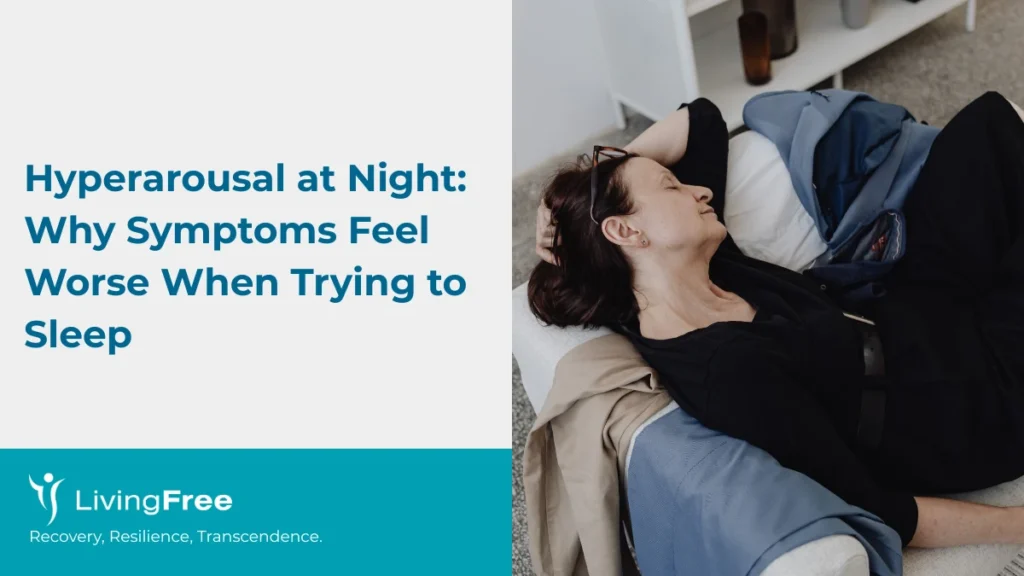
Hyperarousal at night can make you feel exhausted but unable to sleep. Your body may be physically tired while your mind remains alert, your muscles stay tense, and small sounds feel unusually noticeable. For some people, symptoms become more intense as soon as they lie down. Racing thoughts begin, the heart feels faster, and the […]
Hyperarousal: Complete Guide to Symptoms, Causes, Sleep, Treatment, Relationships, and Regulation
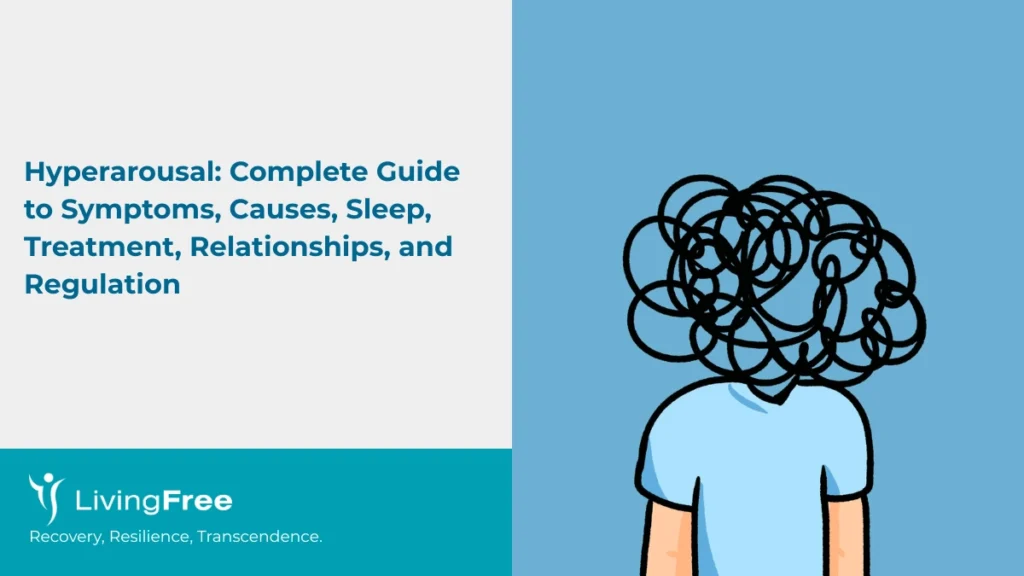
Hyperarousal is a state in which the body’s threat-response system remains active even when no immediate danger is present. You may feel tense, restless, easily startled, unable to sleep, or constantly aware of what is happening around you. Although hyperarousal is commonly associated with trauma and Post-Traumatic Stress Disorder, it can also appear alongside chronic […]
How Trauma Can Affect Your Immune System

Trauma does not stay contained in memory. It moves through the nervous system, the hormones, and eventually the immune system itself, shaping how the body defends against illness for years after the original event has passed. Researchers who study post-traumatic stress disorder, childhood adversity, and chronic stress have found consistent evidence that psychological trauma leaves […]
The Connection Between Trauma and Digestive Problems

Stomach pain that shows up before a hard conversation. Nausea that appears out of nowhere during a stressful week. Bloating, constipation, or diarrhea that no elimination diet seems to fix. For many people who have lived through trauma, these are not random inconveniences. They are the body’s way of replaying old survival patterns through the […]
Is Workaholism a Trauma Response? What the Research Actually Shows
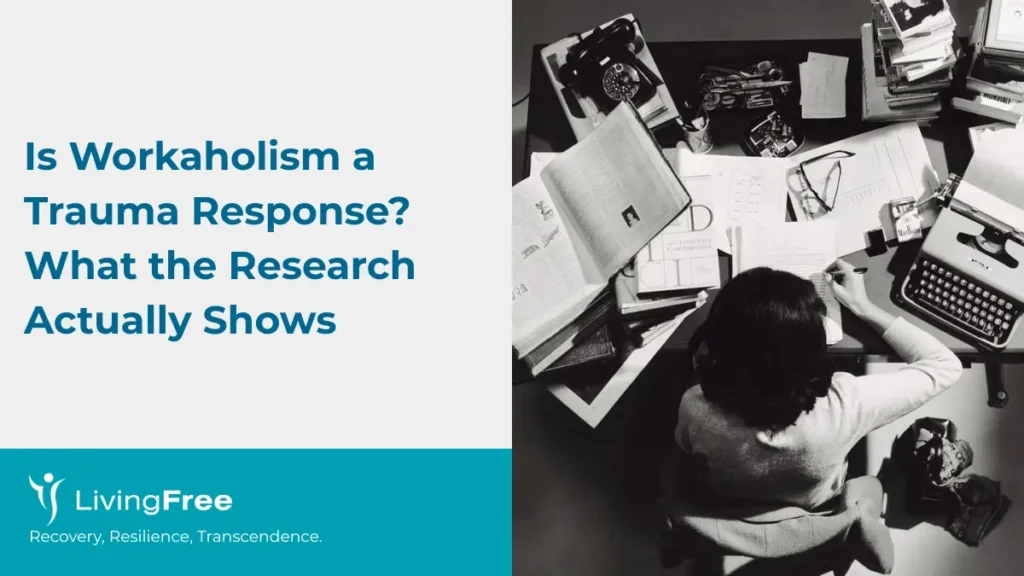
It is 11 p.m. and the inbox is still open. The to do list is finished, technically, but somehow there is always one more thing that feels urgent. For a lot of people who identify as driven, ambitious, or simply “someone who works hard,” this pattern gets read as a personality trait. Colleagues call it […]