
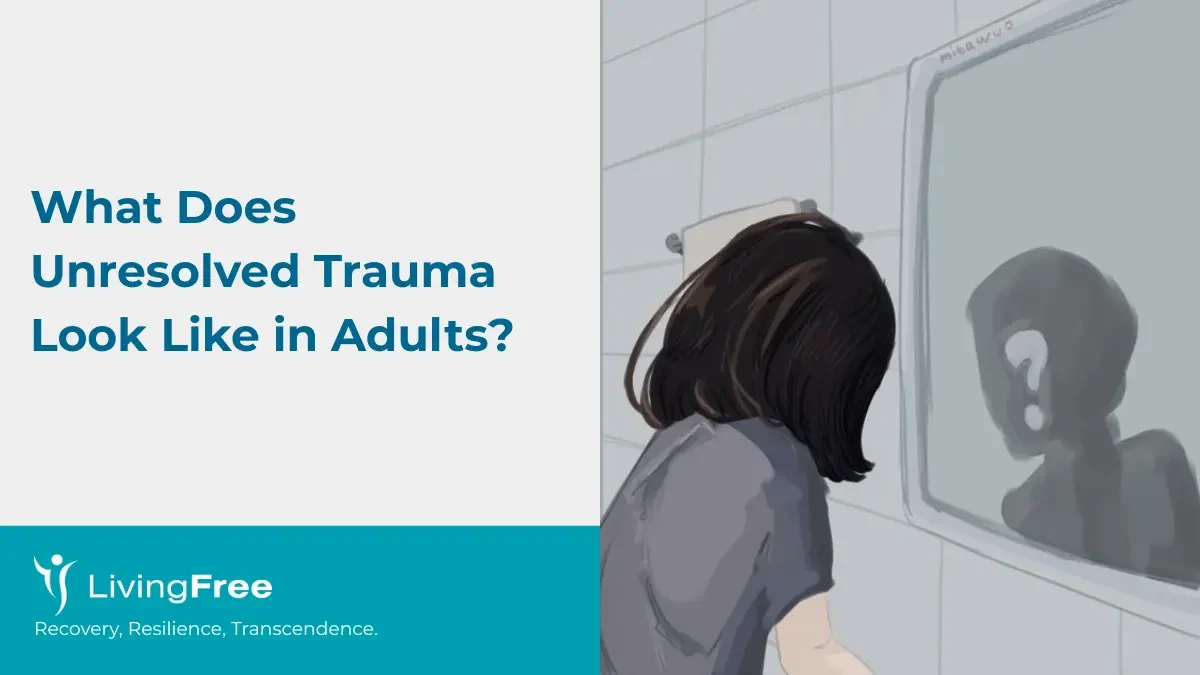
Unresolved trauma does not always appear as obvious distress. Many adults function, work, and maintain relationships while silently carrying the long-term effects of past experiences. Trauma that is not processed can shape emotional responses, behavior patterns, and even physical health over time. Understanding what unresolved trauma looks like in adults is an important step toward awareness, healing, and meaningful change.
Table of Contents
What Is Unresolved Trauma?
Unresolved trauma refers to distressing experiences that have not been fully processed or integrated. These experiences may include childhood neglect, abuse, loss, accidents, or prolonged stress. Instead of fading, the emotional and physiological impact remains active in the nervous system.
As one clinician explains,
“trauma is a wounding or an injury that happens to somebody… it’s about how the person has internalized what was happening at the time and what happened within them.”
This highlights that trauma is not only about the event itself, but about how it is experienced and stored internally.
Research shows that trauma can alter how the brain processes threat, emotion regulation, and memory, particularly in areas like the amygdala and prefrontal cortex. This is why unresolved trauma often shows up in indirect and sometimes confusing ways in adulthood.
Emotional Signs of Unresolved Trauma
One of the most common ways unresolved trauma appears is through emotional dysregulation. Adults may experience:
- Persistent anxiety or a sense of danger.
- Sudden mood swings or emotional numbness.
- Chronic shame, guilt, or low self-worth.
- Difficulty trusting others.
These emotional patterns are often linked to heightened stress responses. Many individuals may feel stuck outside their optimal emotional range, which relates to the concept explained in the window of tolerance.
Behavioral Patterns You Might Notice
Unresolved trauma can influence behavior in subtle but consistent ways. Some common patterns include:
- Avoidance of certain people, places, or situations.
- Overworking or perfectionism as a coping mechanism.
- Self-sabotage in relationships or career.
- People-pleasing or fear of conflict.
These behaviors are often protective strategies developed earlier in life. They may have once helped the individual survive but can become limiting in adulthood.
You can explore more about how past experiences influence present reactions in this guide on childhood trauma triggers in adulthood.
Physical and Somatic Symptoms
Trauma is not only psychological. It is stored in the body. Adults with unresolved trauma may experience:
- Chronic fatigue or sleep disturbances.
- Muscle tension or unexplained pain.
- Headaches or digestive issues.
- Heightened startle response.
This mind-body connection is critical. As highlighted in the discussion,
“where the body goes, the mind will follow… if the body is in a distress state… then the mind is going to eventually go there.”
This explains why unresolved trauma often shows up physically, even when someone is not consciously thinking about the past.
Sleep-related issues can sometimes overlap with trauma symptoms. For example, some individuals experience intense episodes discussed in this article on connection between sleep paralysis and PTSD.
Cognitive and Mental Patterns
Unresolved trauma can affect how adults think, interpret situations, and make decisions. Common signs include:
- Difficulty concentrating or memory issues.
- Negative thinking patterns or catastrophizing.
- Trouble making decisions or constant self-doubt.
Trauma can shape how the brain assesses risk and safety, which directly impacts daily choices. Learn more about this in how trauma affects decision making.
Relationship Difficulties
Many adults with unresolved trauma struggle in relationships, even when they deeply desire connection. This can show up as:
- Fear of abandonment or rejection
- Emotional withdrawal or avoidance
- Intense attachment or dependency
- Difficulty setting boundaries
Triggers in relationships can activate past wounds. Understanding these patterns is key, and you can explore them further in this article on trauma triggers.
Hypervigilance and Nervous System Dysregulation
A hallmark of unresolved trauma is a constantly activated stress response. Adults may feel:
- Always on edge or unable to relax.
- Easily startled or overwhelmed.
- Emotionally reactive to minor stressors.
In many cases, these reactions are tied to repeated or long-term experiences rather than one single event. As described in the conversation, trauma can also develop from “repeated actions… where people are almost aghast to discover that they have trauma.”
This helps explain why some adults feel distressed without a clear, single cause.
Healing often involves learning how to regulate these responses, which is part of broader frameworks like the six domains of trauma recovery.
Why Trauma Remains Unresolved
Trauma often remains unresolved when individuals lack:
- Emotional support at the time of the event
- Safe environments to process their experiences
- Awareness that their symptoms are trauma-related
In many cases, people normalize their struggles or attribute them to personality rather than past experiences.
Can Unresolved Trauma Be Healed?
Yes, unresolved trauma can be processed and integrated. Healing does not mean forgetting the past. It means reducing its emotional charge and impact on present life.
Evidence-based approaches such as trauma-focused cognitive behavioral therapy, EMDR, and somatic therapies have shown effectiveness in helping individuals regulate emotions, reprocess memories, and build resilience.
Final Thoughts
Unresolved trauma can quietly shape how adults feel, think, and relate to the world. Recognizing the signs is not about labeling yourself, but about gaining clarity and compassion for your experiences. If you notice these patterns in your life, it may be a signal that your mind and body are asking for attention and care.
Healing is possible, and you do not have to navigate it alone. At Living Free, we provide insights and support to help you better understand your experiences. If you are ready to take the next step, we encourage you to contact us and begin your journey toward healing.