
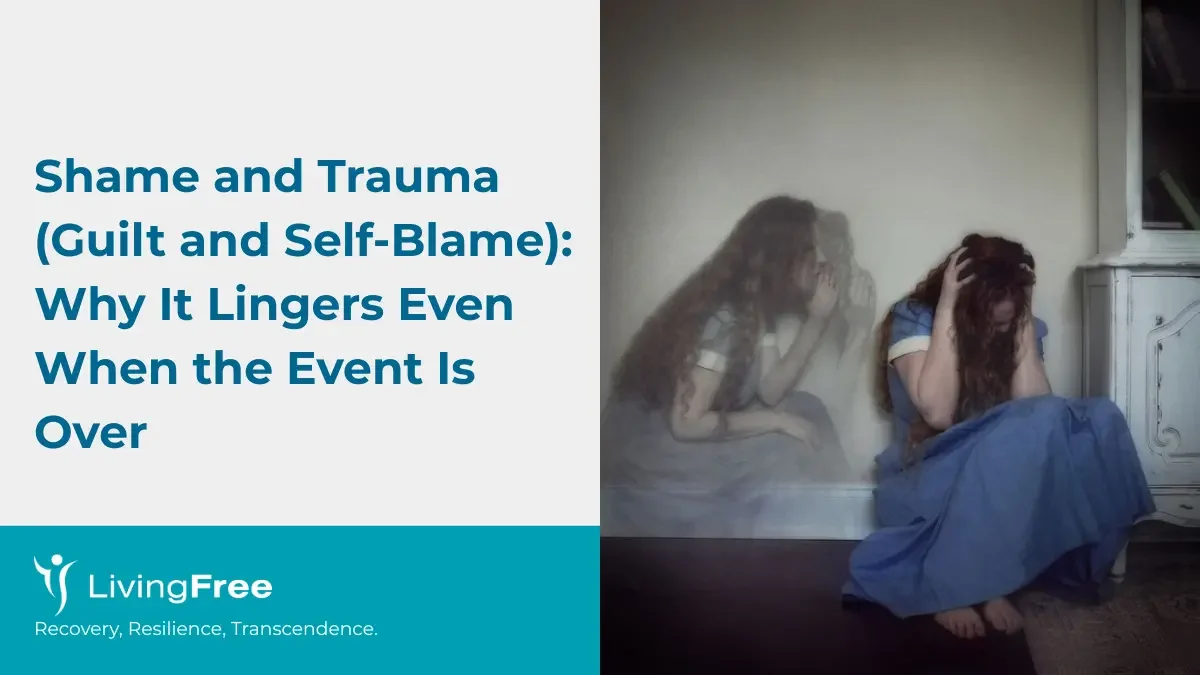
Shame and trauma are deeply intertwined. Long after a traumatic event has ended, many survivors continue to struggle with guilt and self blame. They may logically understand that what happened was not their fault, yet emotionally they still feel responsible, flawed, or fundamentally unworthy.
This lingering shame is not a personal weakness. It is a predictable psychological and neurobiological response to overwhelming experiences. Understanding why shame persists after trauma can be the first step toward healing.
Table of Contents
Understanding the Difference Between Guilt and Shame
Although guilt and shame are often used interchangeably, they are not the same.
Guilt is usually about behavior. It says, “I did something bad.” In healthy forms, guilt can motivate repair and growth.
Shame is about identity. It says, “I am bad.” Shame targets the core self and creates a sense of defectiveness, worthlessness, or unlovability.
Research by Brené Brown and others shows that shame is strongly linked to avoidance, secrecy, and isolation. Trauma intensifies this dynamic because it often disrupts a person’s sense of safety, control, and self coherence.
When trauma is involved, guilt and shame frequently blend together. Survivors may replay the event repeatedly, searching for ways they could have prevented it. This mental looping can reinforce self blame even when the trauma involved abuse, neglect, violence, or circumstances beyond their control.
Why Shame Lingers After Trauma
1. The Brain Tries to Create a Sense of Control
Trauma overwhelms the nervous system. According to research on post traumatic stress, the brain struggles to integrate what happened into a coherent narrative. One way it attempts to regain control is through self blame.
If the event was “my fault,” then it feels more predictable. The mind prefers a painful sense of control over the terror of randomness. Unfortunately, this survival strategy often becomes chronic shame.
This is particularly common in childhood trauma. Children naturally assume responsibility for what happens around them because it feels safer to believe they are flawed than to believe their caregivers are unsafe.
2. Trauma Disrupts Identity
Trauma is not just an event. It is an experience that reshapes how we see ourselves.
Many survivors move into survival mode, suppressing emotions and focusing on coping. Over time, this can disconnect them from their authentic identity. Shame becomes woven into their self concept.
If this resonates, you may find it helpful to explore how trauma affects identity in depth in this article on rebuilding identity after survival mode.
When survival strategies become personality traits, shame can feel permanent, even though it began as an adaptation.
3. Attachment Trauma and Relational Shame
Shame is often relational. It develops in the presence of others.
Attachment research shows that when trauma occurs in close relationships, especially in childhood, shame becomes internalized. The survivor may believe they are too much, not enough, or fundamentally unworthy of love.
This can show up in adulthood as people pleasing, avoidance, or fear of conflict. Trauma also tends to surface most intensely in intimate relationships, where vulnerability is required. When shame is rooted in relational trauma, it often persists because relationships continuously activate those early emotional memories.
4. The Body Remembers
Trauma is stored not only as memory but as physiological experience. Research by Bessel van der Kolk and others highlights how traumatic stress alters the nervous system.
Even when the conscious mind knows the event is over, the body may still react as if danger is present. This state of hyperarousal or shutdown can reinforce shame. Survivors may judge themselves for being “too sensitive,” “overreacting,” or “broken.”
Mindfulness practices can be helpful, but for trauma survivors they are not always sufficient on their own. Some individuals need approaches that explicitly address nervous system regulation and safety. This article about why mindfulness alone often fails trauma survivors explores that in more detail.
5. Cultural and Social Messages Reinforce Self Blame
Society often promotes subtle victim blaming narratives. Survivors may hear messages such as:
- You should have known better.
- Why did you not leave.
- Why did you not fight back.
These narratives can deepen internalized shame. Over time, the survivor may adopt these external judgments as part of their inner voice. This can shape how trauma affects relationships, identity, and connection in adulthood.
The Psychological Mechanisms Behind Guilt and Self Blame
Research on trauma related guilt identifies several common patterns:
- Hindsight bias. After the event, people overestimate their ability to have predicted or prevented it.
- Responsibility distortion. Survivors assume disproportionate responsibility for outcomes beyond their control.
- Moral injury. When trauma violates deeply held moral beliefs, individuals may feel profound guilt and shame.
In post traumatic stress disorder, guilt and shame are associated with greater symptom severity, depression, and avoidance. These emotions can maintain the trauma cycle by discouraging help seeking and reinforcing isolation.
Importantly, shame is often maintained by silence. The less it is spoken, the more powerful it becomes.
Healing Shame After Trauma
Healing shame is not about forcing positive thinking. It involves gradual processes such as:
- Reframing responsibility in a realistic way.
- Developing self compassion.
- Processing traumatic memories safely.
- Restoring connection with supportive others.
Compassion focused therapy and trauma informed approaches emphasize that shame dissolves in the presence of empathy and attuned relationships.
Recovery also involves recognizing that survival responses were adaptive. What you did, or did not do, was shaped by your nervous system under threat. Shame may linger because it once protected you. Understanding this can begin to loosen its grip.
Final Thoughts
Shame and trauma are deeply connected because trauma disrupts safety, identity, and attachment. Even when the event is over, the nervous system and belief systems may still be operating as if danger is present. Healing is possible, but it requires approaches that address both the psychological and relational roots of shame.
If you are exploring these themes in your own life, you are not alone. At Living Free, we offer trauma informed resources and support to help you understand your patterns and reconnect with your sense of self. Visit Living Free to learn more or contact us to begin your healing journey.