

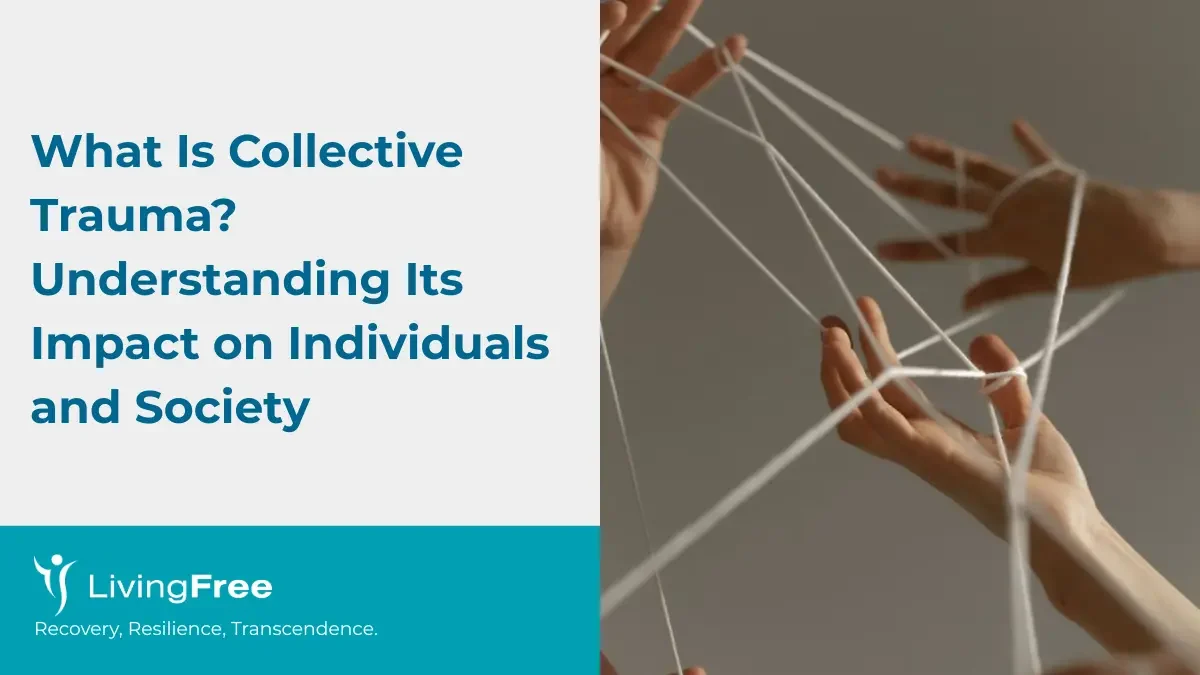
Collective trauma is more than a shared difficult experience. It is a psychological and emotional response that affects an entire group, community, or society after a distressing event. Unlike individual trauma, which is experienced personally, collective trauma reshapes how groups think, feel, and relate to one another over time.
From wars and natural disasters to pandemics and systemic violence, collective trauma can leave lasting imprints not only on those who directly experience the event, but also on future generations.
What Is Collective Trauma?
Collective trauma refers to the psychological reactions shared by a group of people who have experienced a deeply distressing or life threatening event together. These events disrupt a sense of safety, belonging, and stability at a large scale.
According to trauma research, collective trauma is not just about the event itself. It also involves how the event is remembered, processed, and passed down within a culture or community. This means the impact can persist long after the original event has ended.
As one trauma-informed perspective explains, “trauma is a wounding or an injury that happens to somebody… it’s about how the person has internalized what was happening at the time.” This insight helps us understand that even in shared events, people and communities may carry the impact in different ways.
Examples of collective trauma include:
- War and armed conflict.
- Natural disasters such as earthquakes or tsunamis.
- Pandemics like COVID-19.
- Acts of terrorism.
Historical oppression and systemic injustice
Key Characteristics of Collective Trauma
1. Shared Emotional Experience
People affected by collective trauma often experience similar emotional responses such as fear, grief, anger, or helplessness. These shared emotions can create a sense of unity, but they can also reinforce distress if not processed.
2. Disruption of Social Systems
Collective trauma can damage institutions, relationships, and social trust. Communities may struggle with instability, displacement, or breakdown of support systems.
3. Lasting Cultural Impact
The effects of collective trauma are often embedded in cultural narratives, traditions, and collective memory. These stories shape how future generations perceive safety and threat.
4. Intergenerational Transmission
Trauma can be passed down through families and communities, influencing beliefs, behaviors, and emotional patterns even in those who did not directly experience the original event.
How Collective Trauma Affects Mental Health
Collective trauma can have widespread psychological effects, including:
- Increased anxiety and hypervigilance.
- Depression and hopelessness.
- Emotional numbing or detachment.
- Difficulty trusting others.
- Identity confusion.
Importantly, trauma is not only psychological. It is also deeply connected to the body. As highlighted in trauma-informed discussions, “if the body is in a distress state… then the mind is going to follow.” This explains why large-scale distress can show up not just as thoughts and emotions, but also as physical tension, fatigue, or chronic stress responses across entire communities.
In many cases, individuals may not recognize their symptoms as trauma related because the experience was shared by everyone around them. This can normalize distress and delay healing.
For example, some people respond by shutting down emotionally. If that resonates, you may relate to this explanation of emotional numbness.
Collective Trauma and Relationships
Trauma does not only affect individuals. It also reshapes how people connect with others.
- After collective trauma, people may:
- Struggle with trust and intimacy.
- Become overly dependent or avoidant in relationships.
- Feel unsafe even in stable environments
This is closely connected to how trauma influences attachment patterns. You can explore this further here: Trauma Bonding vs Secure Attachment: How to Tell the Difference.
In some cases, even healthy behaviors like setting boundaries can feel threatening. This often stems from past experiences where safety was unpredictable: Why Setting Boundaries Feels Threatening After Trauma.
The Social and Cultural Impact of Collective Trauma
Collective trauma can reshape entire societies. It may influence:
- Public policies and governance.
- Cultural identity and group narratives.
- Social cohesion and trust.
- Economic stability.
One important aspect of trauma is how it can lead to disconnection, both internally and socially. In high stress environments, people may unconsciously detach from their emotional experience just to function. As one observation puts it, “people disconnect so that they can enter into this… system… their health was suffering… how else could they do it other than to disconnect.”
Over time, this kind of disconnection can become widespread across communities, shaping collective behaviors and norms.
These patterns often become embedded in how people see themselves and others. If you want to understand this deeper, this article explores how trauma shapes identity and connection: How Trauma Shapes Relationships, Identity, and the Way We Connect.
Healing from Collective Trauma
Healing from collective trauma requires both individual and community level efforts.
1. Acknowledgment and Validation
Recognizing that trauma has occurred is a crucial first step. Silence or denial can prolong suffering.
2. Rebuilding Safety and Trust
Creating environments where people feel physically and emotionally safe helps restore stability.
3. Community Support
Shared healing spaces, storytelling, and collective rituals can help process emotions and rebuild connection.
4. Professional Help
Therapy can support individuals in understanding how collective trauma affects their personal experiences. If you are unsure where to begin, this guide may help: How to Know If You’re Ready for Trauma Therapy.
At the same time, it is normal to feel hesitant about seeking help, especially if trust has been impacted: Fear of Depending on a Therapist: A Trauma-Informed Perspective.
Why Collective Trauma Matters Today
In an increasingly interconnected world, collective trauma is becoming more visible and widely discussed. Global events can affect millions of people simultaneously, shaping not only mental health but also how societies function.
Understanding collective trauma helps us make sense of widespread emotional responses and highlights the importance of compassionate, trauma informed approaches in both personal and societal healing.
Conclusion
Collective trauma reminds us that healing is not only an individual journey but also a shared process. When communities experience distress together, recovery must involve rebuilding trust, connection, and a sense of safety at every level. If you are navigating these experiences, you are not alone, and support is available.
To learn more about trauma and recovery, visit Living Free and explore resources designed to support your healing journey. If you are ready to take the next step, consider reaching out and contact us for guidance and professional support.