

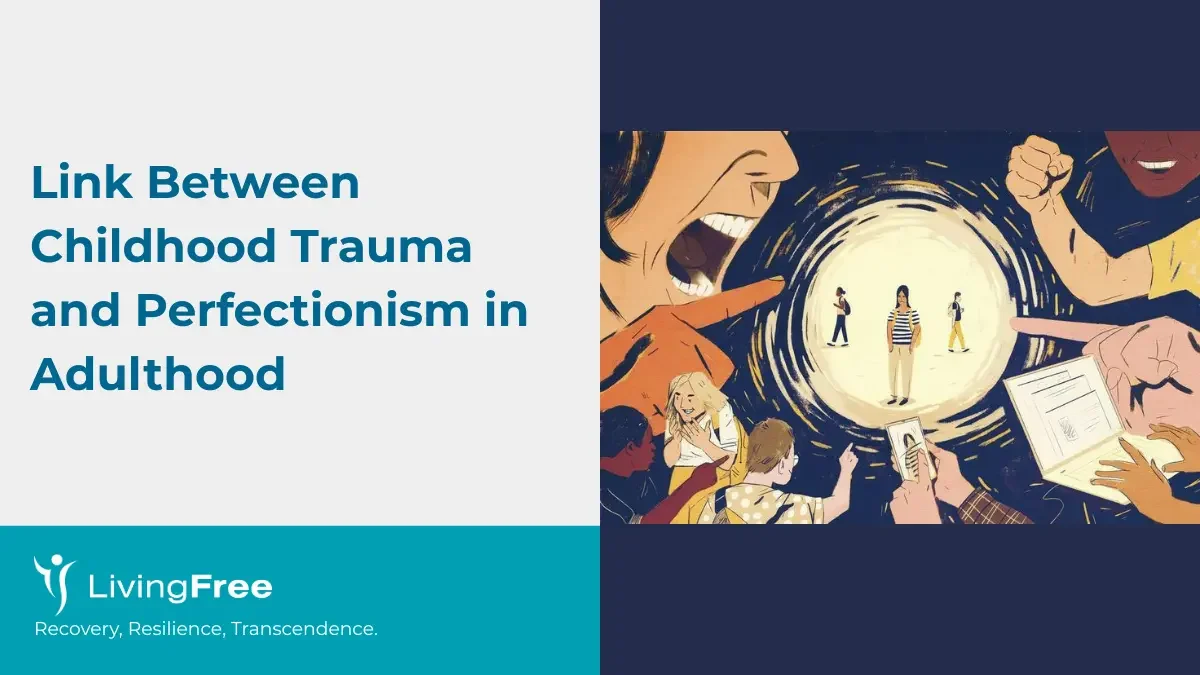
Perfectionism is often seen as a positive trait. It is associated with discipline, ambition, and high standards. However, beneath the surface, perfectionism can be deeply rooted in unresolved emotional wounds.
The link between childhood trauma and perfectionism in adulthood is more than just a psychological theory. It is a well-documented pattern observed in clinical practice and supported by research. Many adults who struggle with perfectionism are not simply striving for excellence. They are responding to early experiences where safety, love, or acceptance felt uncertain.
Understanding this connection can be the first step toward healing.
What Is Childhood Trauma?
Childhood trauma refers to distressing experiences that overwhelm a child’s ability to cope. These experiences can include neglect, emotional invalidation, abuse, or chronic stress within the family environment.
Importantly, trauma is not defined solely by the event itself, but by how it is internalized. As described in trauma-informed therapy, trauma is “a wounding or an injury… about how the person has internalized what was happening at the time.”
This means two people can go through similar situations, yet only one develops long-term trauma responses.
Over time, these unresolved wounds shape how individuals see themselves, others, and the world.
How Trauma Shapes Perfectionism
Perfectionism often develops as a coping strategy. For children growing up in unpredictable or emotionally unsafe environments, striving to be “perfect” can feel like the only way to gain control or avoid harm.
Instead of being a personality trait, perfectionism becomes a survival response.
In many cases, children learn that mistakes lead to criticism, rejection, or emotional withdrawal. As a result, they begin to associate self-worth with performance.
This pattern does not disappear in adulthood. It evolves. Adults may appear highly functional, driven, and successful, yet internally they are motivated by fear rather than fulfillment.
As one therapist reflected in the conversation:
“I had followed a very… high achiever path… very much being swept up in the mainstream… and my body started giving me signals… stress… and I just powered through and pushed through.”
This highlights a common pattern. High achievement can mask deep internal distress, especially when individuals are disconnected from their emotional and physical needs.
The Role of Emotional and Body Disconnection
One of the most overlooked aspects of trauma is the disconnection between mind and body.
Many perfectionists operate primarily from the mind. They analyze, plan, and perform, but ignore emotional and physical signals.
This disconnection is not accidental. It is protective.
When emotional experiences feel overwhelming or unsafe, the body learns to suppress them. Over time, this creates a split where individuals become highly functional externally, but disconnected internally.
As described in the discussion:
“I lived very much in my mind… my body was giving me constant signals that things might not be quite right, but I was suppressing that and forging on ahead.”
This dynamic explains why many perfectionists struggle with burnout, anxiety, or chronic stress. The body continues to hold unresolved trauma, even when the mind tries to stay in control.
You can explore more about this dynamic in this article on Childhood Trauma Triggers in Adulthood: Why Old Wounds React Like They Are Happening Now.
Perfectionism as a Protective Strategy
From a trauma-informed perspective, perfectionism is not the problem. It is a solution that once worked.
It acts as a protective mechanism designed to prevent pain, rejection, or failure.
In Internal Family Systems (IFS), these patterns are often understood as “protective parts” that develop to keep individuals safe. These parts may push for high standards, control, or constant productivity.
While helpful in the past, they can become rigid and exhausting over time.
Perfectionism can show up as:
- Fear of making mistakes.
- Constant self-criticism.
- Difficulty relaxing.
- Overworking or overachieving.
- Avoidance of failure at all costs.
Interestingly, these patterns often exist alongside deeper emotional wounds that remain unaddressed.
Why High Achievement Does Not Equal Healing
Many people assume that success resolves insecurity. In reality, achievement often reinforces perfectionistic patterns.
External validation may temporarily reduce anxiety, but it does not address the underlying trauma.
In fact, some environments actively reward disconnection and overperformance. This makes it even harder to recognize the problem.
As highlighted in the conversation:
“The only reason the corporate world works is because of its ability to separate people’s mind from their bodies. Because if people were connected to just how distressed they were, no one would do it.”
This insight reveals why perfectionism can persist for years without being questioned. It is often socially reinforced, even when it is internally harmful.
You can also read more about this pattern in How Trauma Affects Decisions Making of Yours?
The Hidden Cost of Perfectionism
While perfectionism may lead to short-term success, it often comes with long-term consequences.
These can include:
- Chronic stress and burnout.
- Anxiety and depression.
- Emotional numbness.
- Difficulty forming authentic relationships.
- A persistent sense of “never being enough”
Many individuals also struggle with rest. Relaxation can feel unsafe because it removes the protective structure that perfectionism provides.
If this resonates, you may find this helpful: Why Relaxation Feels Unsafe for Trauma Survivors?
Healing the Link Between Trauma and Perfectionism
Healing does not mean eliminating perfectionism overnight. It means understanding its origins and developing a new relationship with it.
Effective trauma treatment focuses on:
- Reconnecting with the body.
- Building emotional awareness.
- Developing self-compassion.
- Processing unresolved experiences.
- Restoring a sense of safety.
Therapeutic approaches such as Internal Family Systems, somatic therapy, and trauma-informed care can be particularly helpful.
You can learn more about this in Diagnosis and Treatment of Psychological Trauma.
It is also important to understand that avoiding triggers is not a long-term solution. True healing involves building the capacity to safely experience and process them.
Read more here: Why Eliminating Triggers Doesn’t Work in Trauma Recovery, and Understanding Trauma Triggers: Internal vs External and How to Cope.
Final Thoughts
Perfectionism is often misunderstood. It is not simply about high standards or ambition. For many, it is a deeply ingrained response to early experiences of insecurity, fear, or emotional pain.
Understanding the link between childhood trauma and perfectionism in adulthood can be a powerful step toward change. When you begin to see perfectionism as protection rather than identity, new possibilities for healing emerge.
If you are ready to explore this further, visit Living Free at and learn more about trauma-informed care. You can also contact us to start your journey toward a more balanced and authentic life.