
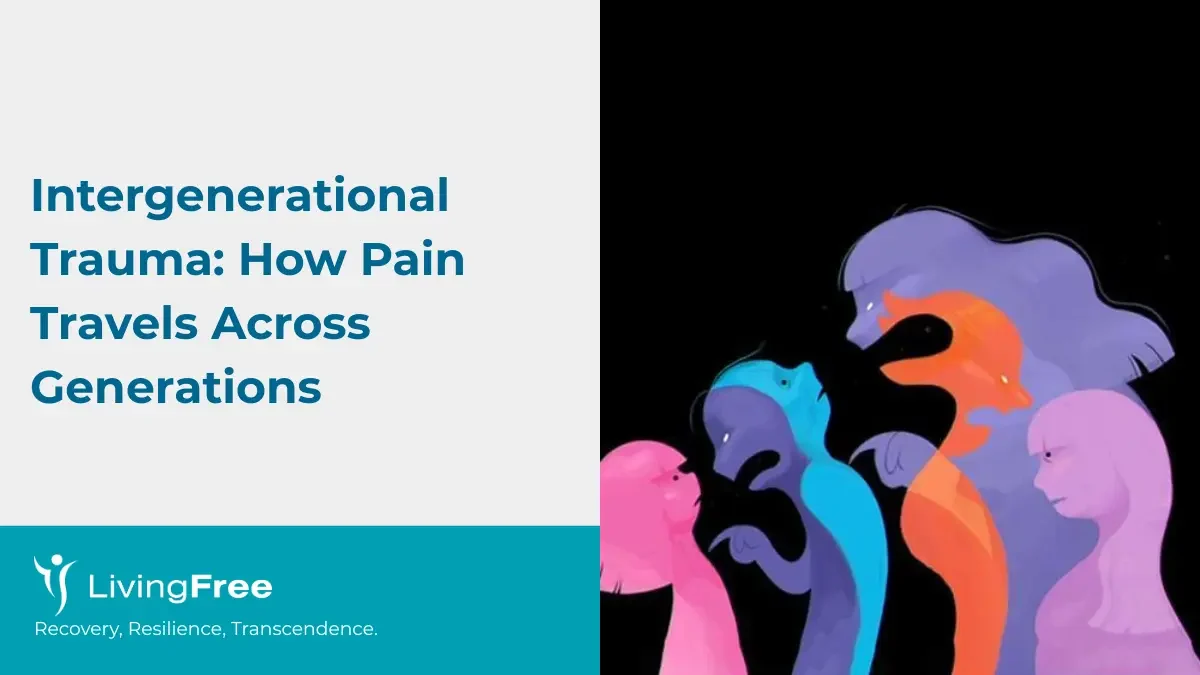
Intergenerational trauma refers to the transmission of emotional wounds, stress patterns, and survival responses from one generation to the next. It is not simply about what an individual experiences, but how unresolved pain can shape families, relationships, and even biology over time.
This concept has gained increasing attention in psychology, neuroscience, and epigenetics. Researchers now understand that trauma does not end with the person who experiences it. Instead, it can echo across generations through learned behaviors, attachment patterns, and even physiological changes.
Table of Contents
What Is Intergenerational Trauma?
Intergenerational trauma, sometimes called transgenerational trauma, occurs when the psychological effects of trauma are passed down from parents to children and beyond. This can happen even if the next generation did not directly experience the original traumatic event.
As one clinician explains,
“trauma is a wounding or an injury that happens to somebody… it’s about how the person has internalized what was happening at the time and what happened within them.”
This highlights an important truth. Trauma is not just the event itself, but the meaning and impact it leaves behind.
Examples include:
- Families affected by war, displacement, or colonization.
- Survivors of abuse or neglect.
- Communities impacted by systemic oppression or poverty.
Children raised in these environments may inherit not only stories but also emotional responses such as fear, hypervigilance, or emotional numbness.
How Trauma Gets Passed Down
Intergenerational trauma is not caused by a single factor. It is shaped by a combination of psychological, social, and biological mechanisms.
1. Learned Behaviors and Parenting Patterns
Parents who have experienced trauma may unknowingly pass down coping strategies rooted in survival. For example:
- Emotional withdrawal or difficulty expressing affection.
- Overprotectiveness or heightened anxiety.
- Difficulty regulating emotions.
Children absorb these patterns and often carry them into adulthood. Over time, these behaviors can become normalized within the family system.
If you want to understand how these patterns show up later in life, you can explore how they relate to childhood trauma triggers in adulthood.
2. Attachment and Emotional Regulation
Trauma can disrupt secure attachment between caregivers and children. When caregivers are emotionally unavailable or inconsistent due to their own unresolved trauma, children may develop insecure attachment styles.
This often leads to:
- Fear of abandonment
- Difficulty trusting others
- Intense emotional reactions in relationships
These patterns are closely tied to trauma triggers in relationships.
3. Neurobiology and the Stress Response
Trauma affects the nervous system, particularly how the body responds to stress. When someone lives in a constant state of threat, their nervous system may become dysregulated.
Children growing up in such environments may inherit heightened stress sensitivity. They may:
- React strongly to minor stressors.
- Struggle to return to a calm state.
- Experience chronic anxiety or shutdown.
As described in the discussion,
“where the body goes, the mind will follow… if the body is in a distress state… the mind is going to go there.”
This illustrates how trauma is not just psychological but deeply embodied, making it easier for patterns to be passed across generations.
This is deeply connected to the concept of the window of tolerance, which explains how individuals regulate emotional arousal.
4. Epigenetics: Trauma in the Body
One of the most compelling findings in recent years comes from epigenetics. Studies suggest that trauma can influence gene expression without altering DNA sequences.
This means:
- Trauma can leave biological markers.
- These markers can be passed to future generations.
- Offspring may inherit increased vulnerability to stress.
Research on descendants of Holocaust survivors has shown altered stress hormone levels, supporting the idea that trauma can be biologically embedded across generations.
Signs of Intergenerational Trauma
Intergenerational trauma often operates beneath the surface. Many people are unaware they are carrying inherited patterns.
Common signs include:
- Persistent anxiety or hypervigilance.
- Emotional numbness or disconnection.
- Repeating unhealthy relationship patterns.
- A strong sense of fear without a clear cause.
- Difficulty feeling safe or secure.
In many cases, these patterns develop gradually. As one analogy describes, trauma is not always a single overwhelming event. Sometimes it is
“the kind of traumas that come from repeated actions… people are almost aghast to discover that they have trauma.”
These experiences are often linked to trauma triggers that activate old survival responses.
Why Awareness Matters
One of the most important steps in healing intergenerational trauma is recognizing it. Without awareness, these patterns can continue indefinitely.
Understanding that your responses may be rooted in inherited survival strategies can:
- Reduce self-blame.
- Increase compassion for yourself and your family.
- Open the door to meaningful healing.
It is also important to recognize that avoiding all triggers is not the solution. In fact, trying to eliminate them completely can hinder recovery.
Breaking the Cycle
Healing intergenerational trauma is possible. While the past cannot be changed, the patterns it created can be transformed.
Some key approaches include:
1. Building Emotional Awareness
Learning to identify and name emotions helps interrupt automatic reactions and creates space for conscious responses.
2. Regulating the Nervous System
Practices such as mindfulness, grounding, and somatic therapies can help restore balance to the body.
3. Rewriting Internal Narratives
Challenging inherited beliefs like “I am not safe” or “I am not enough” is essential for long-term healing.
4. Trauma-Informed Therapy
Working with a trained professional can provide guidance and support through the healing process. A comprehensive framework can be found in the six domains of trauma recovery.
Final Thoughts
Intergenerational trauma reminds us that pain does not exist in isolation. It can ripple through families and shape lives in ways we may not fully understand. But awareness brings choice. When you begin to recognize these patterns, you also begin to reclaim your ability to change them.
Healing is not about erasing the past. It is about building a new relationship with it. If you are ready to explore your own healing journey, you can learn more at Living Free and take the next step by reaching out for support. You do not have to navigate this alone. Contact us to begin your path toward lasting change.