
Skip to content
  • About Us
    • Clinical Team
      • Reshie Joseph
      • Alexis Fosler
      • Katrina de Laszlo
      • Emma Donlevy
      • Annie Di Natale
      • Sinéad Quinn
    • Management Team
  • Services
    • PSYCHOTHERAPY
      • INDIVIDUAL
        • CBT
        • SOMATIC COACHING & BREATHWORK
        • BEHAVIOURAL PSYCHOLOGY
        • BEHAVIOURAL COACHING
        • EMDR
        • EXPOSURE THERAPY
        • CPT
        • NUTRITIONAL COACHING
        • SLEEP COACHING
        • EXERCISE COACHING
        • INTERNAL FAMILY SYSTEMS (IFS)
        • EXECUTIVE CAREER COACHING
      • INTENSIVE
  • Conditions
    • Trauma
      • PTSD
      • Complex Trauma
      • Stress Disorders
    • Addiction
    • Eating Disorders
    • ADHD
  • Resources
    • A Beginner’s Guide to Trauma
    • LIVING FREE CLINICAL MANUAL™
    • Watch and Learn
    • Articles
  • Contact
Menu
  • About Us
    • Clinical Team
      • Reshie Joseph
      • Alexis Fosler
      • Katrina de Laszlo
      • Emma Donlevy
      • Annie Di Natale
      • Sinéad Quinn
    • Management Team
  • Services
    • PSYCHOTHERAPY
      • INDIVIDUAL
        • CBT
        • SOMATIC COACHING & BREATHWORK
        • BEHAVIOURAL PSYCHOLOGY
        • BEHAVIOURAL COACHING
        • EMDR
        • EXPOSURE THERAPY
        • CPT
        • NUTRITIONAL COACHING
        • SLEEP COACHING
        • EXERCISE COACHING
        • INTERNAL FAMILY SYSTEMS (IFS)
        • EXECUTIVE CAREER COACHING
      • INTENSIVE
  • Conditions
    • Trauma
      • PTSD
      • Complex Trauma
      • Stress Disorders
    • Addiction
    • Eating Disorders
    • ADHD
  • Resources
    • A Beginner’s Guide to Trauma
    • LIVING FREE CLINICAL MANUAL™
    • Watch and Learn
    • Articles
  • Contact
Contact US
Living Free Logo
  • About Us
    • Clinical Team
      • Reshie Joseph
      • Alexis Fosler
      • Katrina de Laszlo
      • Emma Donlevy
      • Annie Di Natale
      • Sinéad Quinn
    • Management Team
  • Services
    • PSYCHOTHERAPY
      • INDIVIDUAL
        • CBT
        • SOMATIC COACHING & BREATHWORK
        • BEHAVIOURAL PSYCHOLOGY
        • BEHAVIOURAL COACHING
        • EMDR
        • EXPOSURE THERAPY
        • CPT
        • NUTRITIONAL COACHING
        • SLEEP COACHING
        • EXERCISE COACHING
        • INTERNAL FAMILY SYSTEMS (IFS)
        • EXECUTIVE CAREER COACHING
      • INTENSIVE
  • Conditions
    • Trauma
      • PTSD
      • Complex Trauma
      • Stress Disorders
    • Addiction
    • Eating Disorders
    • ADHD
  • Resources
    • A Beginner’s Guide to Trauma
    • LIVING FREE CLINICAL MANUAL™
    • Watch and Learn
    • Articles
  • Contact
Menu
  • About Us
    • Clinical Team
      • Reshie Joseph
      • Alexis Fosler
      • Katrina de Laszlo
      • Emma Donlevy
      • Annie Di Natale
      • Sinéad Quinn
    • Management Team
  • Services
    • PSYCHOTHERAPY
      • INDIVIDUAL
        • CBT
        • SOMATIC COACHING & BREATHWORK
        • BEHAVIOURAL PSYCHOLOGY
        • BEHAVIOURAL COACHING
        • EMDR
        • EXPOSURE THERAPY
        • CPT
        • NUTRITIONAL COACHING
        • SLEEP COACHING
        • EXERCISE COACHING
        • INTERNAL FAMILY SYSTEMS (IFS)
        • EXECUTIVE CAREER COACHING
      • INTENSIVE
  • Conditions
    • Trauma
      • PTSD
      • Complex Trauma
      • Stress Disorders
    • Addiction
    • Eating Disorders
    • ADHD
  • Resources
    • A Beginner’s Guide to Trauma
    • LIVING FREE CLINICAL MANUAL™
    • Watch and Learn
    • Articles
  • Contact
  • List Item #1

Author: rifka

Mastering the Autonomic Nervous System (ANS) Living Free 6 subscribers
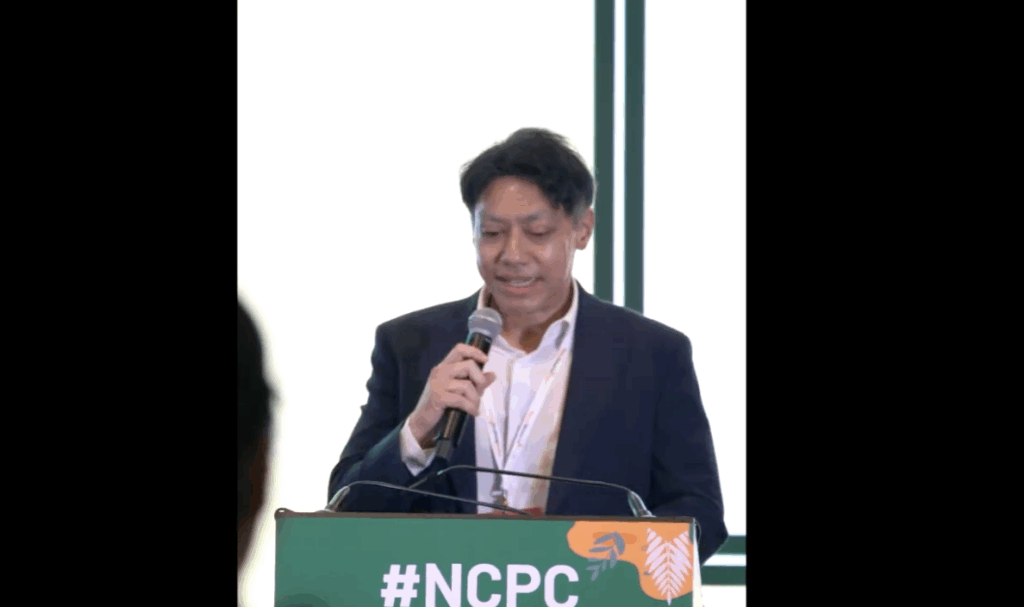
Regulation is half the battle in trauma recovery. By mastering the nervous system — our body’s internal thermostat — we create safety, stability, and space to heal.

Recognising Trauma: The Six Symptomatic Domains

Trauma speaks through the body and mind, in avoidance, arousal, intrusive thoughts, negative beliefs, and somatic symptoms. When we know the signs, we can start to listen.

The Three Pathways to Trauma: A Conversation with Reshie & Katrina
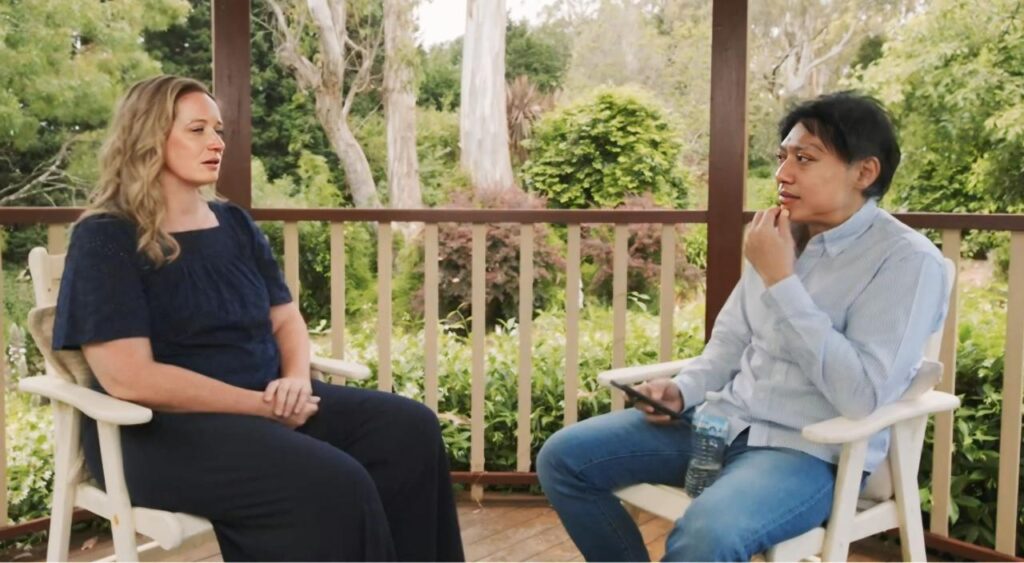
Katrina defines trauma as a wound shaped by how experiences are internalised, not just what happened. Reshie’s analogy explains acute trauma, vulnerability, and the effects of repeated minor wounds.

Why the Body Leads the Mind: A Conversation with Reshie & Katrina

Reshie explains that physical distress drives mental distress—“where the body goes, the mind will follow.” Katrina reflects on her personal journey from stress to retraining as a school teacher.

A Discussion with Living Free’s Reshie Joseph and Emma Donlevy
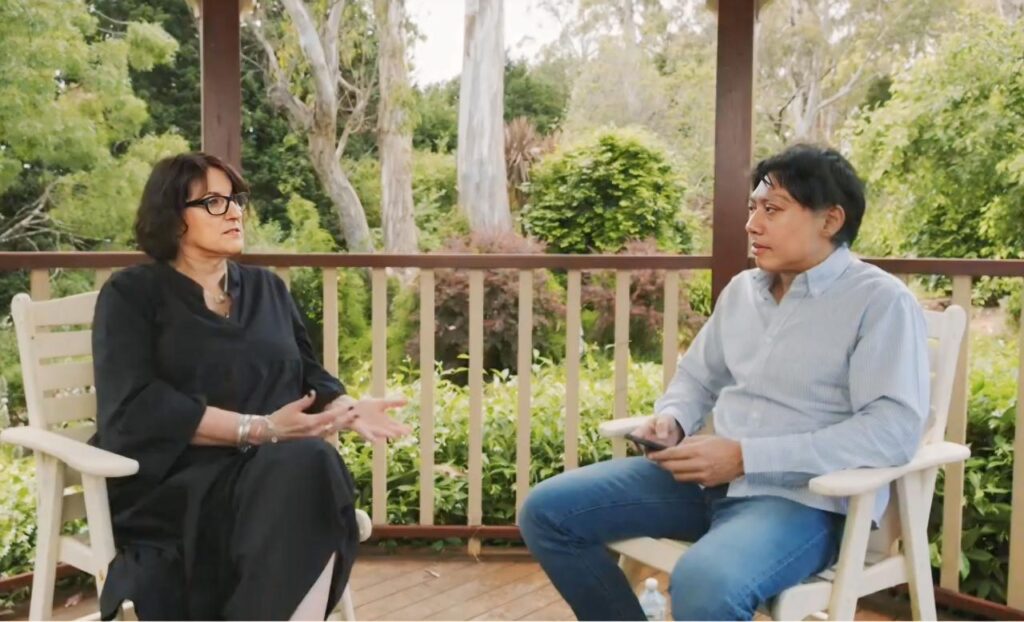
In this discussion our Clinical Director, Reshie Joseph introduces team member and Psychotherapist and Registered Counsellor, Emma Donlevy and they discuss her journey to the trauma therapy space and the Living Free Program.

Follow us @livingfree_today

A quiet, private room isn't what makes therapy fee A quiet, private room isn't what makes therapy feel safe for someone recovering from trauma.

Safety is built through specifics:
being treated with dignity, understanding what's happening in the process and why, appropriate boundaries held consistently, being listened to without judgement, 

and having treatment adapted to individual needs rather than applied as a fixed template.

These aren't "soft" additions to clinical work. 

They're part of what makes clinical work effective — a client who doesn't feel safe is unlikely to engage fully with even the most well-chosen intervention.

Clinical effectiveness and human dignity aren't competing priorities. 

Good care requires both.

🌐 https://livingfree.today

Living Free | Recovery. Resilience. Transcendence.

#WorldPatientSafetyDay #Psychotherapy #TraumaInformedCare #ClinicalCare #TraumaRecovery #LivingFree
Trauma-informed therapy is not simply about talkin Trauma-informed therapy is not simply about talking about trauma.

It means understanding how a person's experiences shape their responses — to stress, to safety, to relationships, to themselves.

That understanding matters because the same response can mean very different things in different contexts.

Avoidance. Numbness. Hypervigilance. Anger.

Rather than immediately asking, "What is wrong?" a trauma-informed approach considers what may be behind the response — without making assumptions about the person or their history.

It also means respecting boundaries and choice, considering both psychological and physiological responses to stress, and working collaboratively rather than imposing a fixed path to recovery.

Trauma-informed care is not about seeing everything through the lens of trauma. 

It is about bringing clinical understanding, curiosity, and human dignity into the therapeutic relationship.

At Living Free, we believe effective trauma care requires both clinical rigour and respect for the individual experience.

🌐 livingfree.today

Living Free | Recovery. Resilience. Transcendence.

#TraumaInformedCare #ClinicalPsychology #TraumaRecovery #LivingFree
Fight, flight, freeze and fawn can be useful ways Fight, flight, freeze and fawn can be useful ways of introducing trauma responses. 

But people are more complex than four categories. 

Responses can change depending on context, relationships, perceived safety and a person's history. 

This is one reason trauma-informed psychotherapy requires more than identifying a symptom. 

We need to understand what the response means for that individual. 

At Living Free, we don't treat a label in isolation. 

We treat the person behind it.

🌐 https://livingfree.today

Living Free | Recovery. Resilience. Transcendence.

#TraumaInformed #TraumaRecovery #CPTSD #PTSD #Psychotherapy #LivingFree
Trauma isn't only stored in memory. It can be he Trauma isn't only stored in memory. 

It can be held in muscle tension, breath patterns, posture and stress responses.

The nervous system can react to a present-day cue the same way it reacted to a past threat — even without a conscious memory attached.

These responses aren't a flaw. 

They're a pattern that can be understood, and treated.

Understanding this is the first step to working with the body, not against it.

🌐 livingfree.today

Living Free | Recovery. Resilience. Transcendence.

#TraumaRecovery #TraumaInformedCare #NervousSystem #SomaticTherapy #LivingFree
Trauma doesn't always look like trauma. It can l Trauma doesn't always look like trauma. 

It can look like hypervigilance, avoidance, emotional numbness, irritability, perfectionism or difficulty trusting. 

These responses can be ways the nervous system has learned to respond to perceived threat. 

At Living Free, we look beyond the visible symptom to understand the person, their history and the patterns that have developed around their experiences. 

Because effective trauma treatment begins with understanding — not judgement.

🌐 https://livingfree.today

Living Free | Recovery. Resilience. Transcendence.

#TraumaRecovery #TraumaInformedCare #PTSD #CPTSD #NervousSystem #LivingFree
What if the problem isn't how much time we spend o What if the problem isn't how much time we spend on our phones?

What if it's how uncomfortable we've become with silence, boredom and stillness?

Modern environments offer near-constant opportunities for stimulation — notifications, social media, entertainment, shopping, information. Stimulation itself isn't the issue.

Constantly reaching for it is what makes it harder to notice what we're actually feeling.

The urge to scroll often isn't about the content. It may be about seeking:

• Distraction
• Relief
• Novelty
• Connection
• Escape from discomfort

A useful question: "What am I actually looking for right now?"

This isn't about eliminating technology. 

It's about choosing when to engage with it, instead of reaching for stimulation every time discomfort shows up.

Try pausing for 30 seconds before you reach for your phone today. Notice what's underneath the urge.

Save this as a reminder.

🌐 https://livingfree.today

Living Free | Recovery. Resilience. Transcendence.

#MentalHealth #NervousSystem #TraumaInformed #TraumaTreatment #StressRegulation

Recovery. Resilience. Transcendence.

Instagram Linkedin Youtube

About LivingFree

  • Clinical Team
  • Management Team
Menu
  • Clinical Team
  • Management Team

Psychotherapy

  • Individual Psychotherapy
  • Intensive Outpatient Program
  • CBT
  • Somatic Coaching & Breathwork
  • Behavioural Psychology
  • Behavioural Coaching
  • Eye Movement Desensitization & Reprocessing (EMDR)
  • Exposure Therapy
  • Cognitive Processing Therapy (CPT)
  • Nutritional Coaching
  • Sleep Coaching
  • Exercise Coaching
  • Internal Family Systems (IFS)
  • Executive Career Coaching
Menu
  • Individual Psychotherapy
  • Intensive Outpatient Program
  • CBT
  • Somatic Coaching & Breathwork
  • Behavioural Psychology
  • Behavioural Coaching
  • Eye Movement Desensitization & Reprocessing (EMDR)
  • Exposure Therapy
  • Cognitive Processing Therapy (CPT)
  • Nutritional Coaching
  • Sleep Coaching
  • Exercise Coaching
  • Internal Family Systems (IFS)
  • Executive Career Coaching

Conditions

  • Trauma
  • PTSD
  • Complex Trauma
  • Addiction
  • Stress Disorders
  • Eating Disorders
  • ADHD
Menu
  • Trauma
  • PTSD
  • Complex Trauma
  • Addiction
  • Stress Disorders
  • Eating Disorders
  • ADHD

Resources

  • A Beginner’s Guide to Trauma
  • LIVING FREECLINICAL MANUAL™
  • Articles
  • Watch and Learn
  • Contact
Menu
  • A Beginner’s Guide to Trauma
  • LIVING FREECLINICAL MANUAL™
  • Articles
  • Watch and Learn
  • Contact

Living Free © 2025 Designed by WeDesign