
Trauma Bonding vs Secure Attachment: How to Tell the Difference
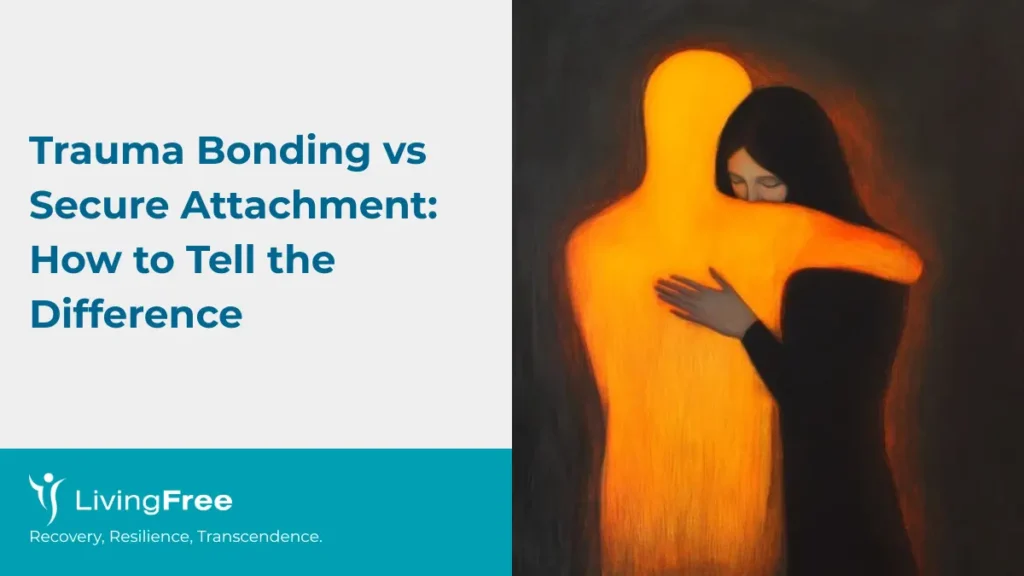
Trauma bonding and secure attachment can feel confusingly similar, especially when intense emotions, longing, and deep connection are involved. Many people mistake emotional intensity for intimacy. However, trauma bonding and secure attachment are fundamentally different relational patterns rooted in very different psychological processes. Understanding the difference is essential for building healthy, stable relationships and healing […]
Discovery, Resilience, Transcendence: Living Free’s Trauma Recovery Webinar (Feb 2026)
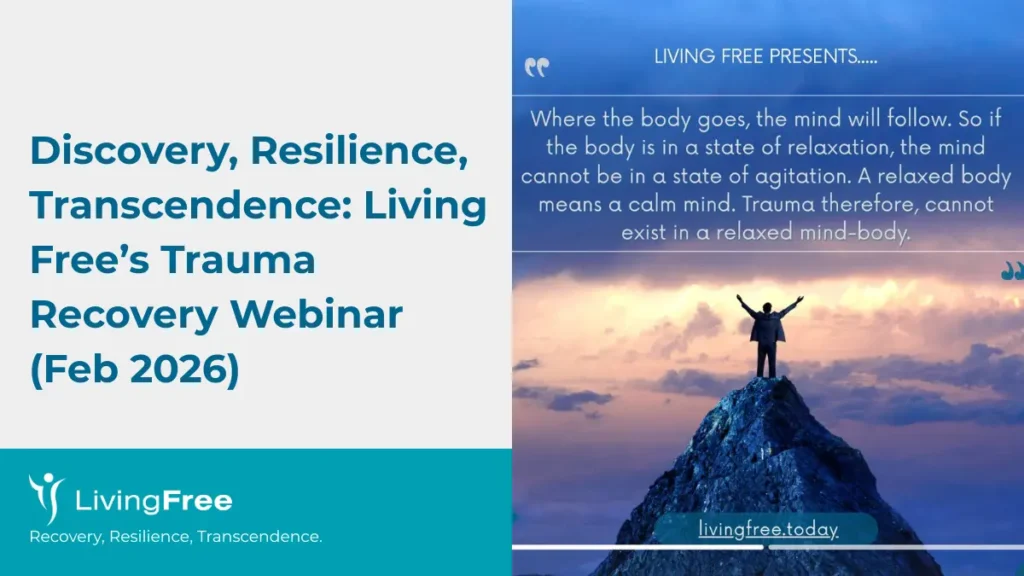
On Sunday, 22 February 2026, Living Free will host a special memorial webinar introducing a structured, clinically grounded model for understanding and recovering from trauma and chronic stress. Titled “Discovery, Resilience, Transcendence: A Recovery Method for an Exhausted World,” this three-hour session presents the Allostatic Stress-Diathesis model developed by Dr. Reshie Joseph. The framework reframes […]
Why Setting Boundaries Feels Threatening After Trauma
Setting boundaries is often described as a healthy and empowering act. Yet for many trauma survivors, even the thought of saying no can feel dangerous. Instead of relief, they experience anxiety, guilt, shame, or even panic. If this resonates with you, it is not a personal failure. It is a trauma response. Understanding why setting […]
Fear of Depending on a Therapist: A Trauma-Informed Perspective
Fear of depending on a therapist is more common than many people realize. While therapy is designed to be a safe and supportive space, the idea of relying on another person for emotional stability can feel threatening, especially for trauma survivors. This fear is not a sign of weakness. It is often a protective response […]
How to Know If You’re Ready for Trauma Therapy
Deciding to begin trauma therapy can feel both hopeful and overwhelming. Many people wonder whether they are “ready enough,” stable enough, or strong enough to face painful memories. The truth is that readiness for trauma therapy is not about being perfectly calm or symptom free. It is about having enough safety, support, and willingness to […]
Why Relationships Feel So Hard After Trauma
Relationships are meant to feel safe, supportive, and connected. Yet for many people who carry unresolved trauma, intimacy can feel confusing, overwhelming, or even threatening. If you have ever wondered why love feels harder than it should, the answer often lies not in your personality, but in your nervous system and attachment patterns shaped by […]
Why Talk Therapy Alone Isn’t Always Enough for Trauma
Trauma can shape the way we think, feel, and relate to the world long after the event has passed. While talk therapy is one of the most common and trusted forms of treatment, research increasingly shows that talk therapy alone is not always enough for trauma recovery. For many people, healing requires approaches that go […]
What Secure Attachment Feels Like After Trauma
Many people recovering from trauma wonder what they are working toward in relationships. They hear phrases like “secure attachment” or “healthy connection,” but those ideas feel abstract, even unrealistic. They ask: “What does safety actually feel like?” “How do I know if I’m attached or just avoiding?” “Will relationships always feel this hard?” As Reshie […]
Rebuilding Identity After Survival Mode
Many people expect trauma healing to feel like relief. And sometimes it does. But for many, another feeling appears alongside regulation and stability. Confusion. They start to ask questions like: “If I’m not reacting the way I used to, who am I now?” “Were my old patterns my personality or my trauma?” “What do I […]
People-Pleasing, Avoidance, and the Fear of Conflict
Many trauma survivors describe the same pattern. They avoid conflict at all costs. They say yes when they mean no. They minimise their needs to keep the peace. On the surface, this can look like kindness, flexibility, or emotional maturity. But underneath, it is often something else entirely. As Reshie explains in the conversation: “People-pleasing […]